
Best Practices for Duct Design, Zoning & Airflow Across Diverse Climate Zones
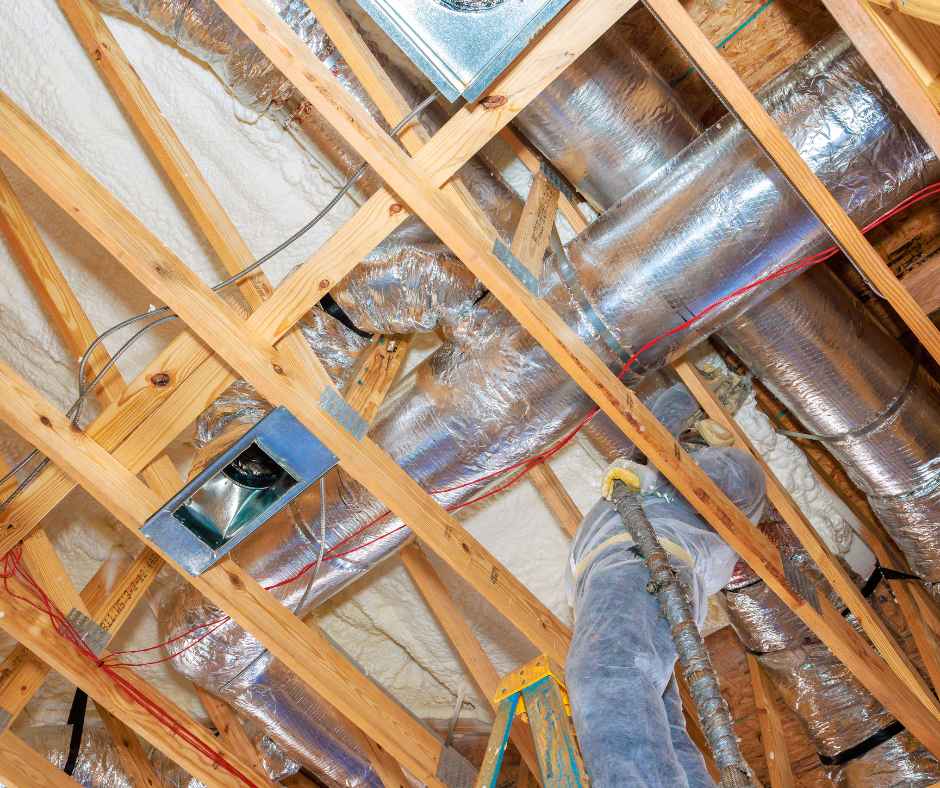
Designing an HVAC system that delivers consistent comfort in every season depends on how well the ducts, zoning layout, and airflow strategy work together. Homeowners often notice uneven temperatures, rising energy bills, or airflow that never feels quite right, and many of these problems can be traced to choices made during the duct design phase. Properly planned ducts support efficient air movement, stable temperatures, and reliable system performance throughout the home.
Climate zones create additional challenges because airflow requirements, insulation needs, and energy expectations differ in hot, cold, and mixed environments. When ductwork and zoning are matched to a home’s specific climate zone, comfort improves and wasted energy decreases.
In this blog, we will explore best practices for duct design, zoning solutions, and airflow optimization across diverse climate zones so homeowners can understand what truly supports a well-balanced and efficient HVAC system.
The Importance of Proper Duct Design for Any Climate
A well-designed duct system is essential for consistent airflow, stable temperatures, and overall HVAC performance. When ducts are properly sized and positioned, the system can deliver the right amount of conditioned air to every room. This reduces energy waste, prevents temperature swings, and supports the long-term reliability of the heating and cooling equipment.
Poorly designed ductwork often leads to uneven temperatures, increased system strain, and higher utility bills. Undersized ducts restrict airflow, while oversized ducts can reduce air velocity and disrupt system balance. Sharp turns, long runs, and poorly placed branches create additional resistance that forces the HVAC system to work harder than necessary. These issues are common in homes where ducts were installed without precise calculations.
Professional duct design relies on accurate load calculations to determine how much heating or cooling each room needs. This process helps match duct sizes to airflow requirements and ensures that supply and return ducts are balanced. When air can circulate freely through a well-planned system, homeowners experience more consistent comfort and better energy efficiency in any climate.
Key Principles of Efficient Duct Design
Efficient duct systems rely on thoughtful planning and proper airflow management. When ducts are designed with performance in mind, the HVAC system operates more smoothly and maintains comfort across the home.
- Use short, direct duct runs to reduce airflow resistance.
- Avoid sharp turns to maintain smooth air movement.
- Seal all joints and connections to prevent air leaks.
- Insulate ducts in unconditioned areas to protect temperature stability.
- Balance supply and return ducts for even pressure throughout the home.
- Choose durable duct materials to support long-term performance.
- Calculate static pressure accurately to ensure proper airflow.
These principles help create a duct system that delivers consistent comfort and efficiency in any climate zone.
Zoning Systems and Their Role in Indoor Comfort
Zoning systems divide a home into separate areas that each receive their own level of heating or cooling. This approach improves comfort and reduces energy waste by allowing the HVAC system to deliver conditioned air only where it is needed. Homes with temperature differences between floors, rooms with large windows, or spaces that are rarely used often benefit the most from zoning.
A zoning system uses dampers, thermostats, and a control panel to manage how air is distributed. When a zone calls for heating or cooling, the dampers open to direct airflow into that specific area. Other zones remain closed until they need conditioning. This setup helps prevent overconditioning and reduces wear on the HVAC equipment.
- Zoning improves comfort by giving each area its own temperature setting.
- It helps reduce energy use by avoiding unnecessary conditioning.
- Thermostats and dampers work together to control airflow.
- Homes with multiple floors or varying sun exposure benefit significantly.
- Zoning reduces strain on the HVAC system and supports longer equipment life.
Zoning is an effective solution for homes in any climate zone because it helps tailor comfort to the unique needs of each space.
Airflow Requirements Across Different Climate Zones
Airflow needs vary widely depending on the climate zone a home is in. Temperature swings, humidity levels, and seasonal demands all influence how air should move through the duct system. Designing airflow with these factors in mind helps the HVAC system maintain comfort and efficiency all year.
Hot climates require stronger airflow to remove heat and support cooling performance. Cold climates rely on steady, even airflow to distribute heat throughout the home. Mixed climates need flexible systems that can adjust to seasonal changes without sacrificing comfort.
- Hot climates often need higher airflow levels to support cooling and moisture removal.
- Cold climates depend on balanced airflow to prevent cold spots and heat loss.
- Mixed climates benefit from adaptable systems that adjust airflow throughout the year.
- Humidity levels influence airflow needs, especially in coastal or humid regions.
- Proper duct sizing and balancing help match airflow to seasonal demands.
Understanding how climate affects airflow is essential for building a system that performs reliably in any environment.
Best Practices for Duct Design in Hot and Humid Climates
Homes in hot and humid climates require duct systems that can manage both high temperatures and significant moisture levels. When ducts are not properly designed for these conditions, homeowners may experience reduced cooling efficiency, increased humidity, and a higher risk of mold or condensation issues. Careful planning helps maintain comfort and protect the HVAC system.
Effective duct systems in humid environments rely on insulation, airtight construction, and airflow strategies that support the cooling process. These elements help prevent warm, moist air from interacting with cold surfaces inside the duct system.
- High-quality insulation helps prevent condensation and temperature loss.
- Airtight duct sealing reduces infiltration of warm and humid air.
- Proper duct placement avoids exposure to extreme attic or crawl space temperatures.
- Correct airflow levels improve moisture removal and cooling effectiveness.
- Durable materials help protect the system from moisture-related wear over time.
These practices ensure the duct system can handle the demands of hot and humid climates while maintaining comfort and efficiency.
Best Practices for Duct Design in Cold Climates
Homes in cold climates depend on duct systems that can retain heat and deliver warm air evenly throughout the home. When ducts are not designed for low outdoor temperatures, heat loss, cold spots, and inconsistent airflow can occur. A well-planned duct system helps maintain steady indoor comfort and improves heating efficiency.
Cold climate duct design focuses on sealing, insulation, and strategic duct placement. These steps help ensure that warm air stays at the proper temperature as it travels through the home.
- High-quality duct insulation protects warm air from losing heat in unconditioned areas.
- Sealed joints and seams prevent leaks that allow heated air to escape.
- Proper duct placement reduces exposure to cold attics, garages, or crawl spaces.
- Balanced airflow helps prevent cold spots and supports even heat distribution.
- Correct duct sizing ensures the HVAC system can deliver enough warm air to each room.
These best practices create a reliable duct system that supports comfort and heating performance during long, cold seasons.
Best Practices for Duct Design in Mixed Climate Zones
Mixed climate zones experience both hot and cold seasons, which means duct systems must operate effectively under changing conditions. Homes in these regions need flexible duct designs that can support cooling in the summer and heating in the winter without sacrificing comfort or system efficiency. A balanced approach helps maintain consistent airflow year-round.
Because mixed climates shift between temperature extremes, duct design focuses on adaptability, balance, and seasonal efficiency. Systems that can adjust airflow and zoning throughout the year often perform better and last longer.
- Flexible duct layouts support both heating and cooling requirements.
- Proper sizing ensures airflow stays consistent across changing seasonal demands.
- Zoning systems help direct warm or cool air only where it is needed.
- Balanced airflow prevents discomfort in rooms that warm or cool unevenly.
- Insulation and sealing remain important, regardless of season.
These practices help create a duct system that remains efficient and comfortable throughout the year in mixed climate regions.
Professional Duct Design and Installation Benefits
Professional duct design offers significant advantages for airflow, comfort, and long-term HVAC performance. When experts assess the home, perform load calculations, and map out the duct layout, the system is far more likely to operate efficiently in any climate zone. A professionally designed duct system supports proper airflow, reduces energy waste, and helps prevent common comfort issues.
Professional installation also ensures that materials, placement, and sealing methods meet industry standards. This helps protect the system from leaks, pressure imbalance, and premature wear. Homeowners benefit from consistent temperatures and smoother system operation throughout the year.
- Expert design matches duct sizes to the precise needs of each room.
- Proper installation helps eliminate airflow restrictions and leakage.
- Balanced systems reduce energy use and improve overall comfort.
- Quality materials extend the lifespan of the duct system.
- Professionally designed systems perform more reliably in all climate zones.
These benefits help homeowners enjoy better comfort, improved energy efficiency, and fewer HVAC issues over time.
Climate-Smart Duct Design Matters
Climate-smart duct design improves airflow, boosts energy efficiency, and helps maintain stable comfort in every season. When ducts are properly sized, sealed, insulated, and adapted to the demands of the local climate, the entire HVAC system performs more consistently with less strain. Zoning strengthens this performance by sending heating or cooling only where it is needed, allowing homeowners to enjoy more even temperatures and better overall system efficiency.
For professional guidance, custom duct solutions, and expert support that match your home’s climate needs, contact United Air Temp today to schedule a personalized evaluation.
Frequently Asked Questions About Duct Design
How often should ductwork be inspected for performance issues?
Ductwork should be inspected every two to three years to check for leaks, insulation deterioration, airflow restrictions, and any signs of wear. Homes in extreme climates or homes with older HVAC systems may benefit from more frequent evaluations.Can zoning systems be added to an existing HVAC setup?
Yes. Most homes can add zoning with the right equipment, including motorized dampers, thermostats, and a compatible control panel. A professional assessment can determine whether the current duct layout supports zoning modifications.Does duct insulation make a noticeable difference in comfort?
Absolutely. Proper insulation helps maintain the temperature of the air moving through the ducts, which reduces heat loss in winter and keeps cooled air stable in summer. This leads to more consistent temperatures and improved efficiency.What signs indicate that my airflow needs rebalancing?
Uneven temperatures, low airflow in certain rooms, noisy vents, or high energy bills are common signs that the airflow may need to be rebalanced. Rebalancing helps ensure each room receives the correct amount of conditioned air.Are flexible ducts recommended in all climate zones?
Flexible ducts can be effective when properly installed, but they are more prone to bends and compression that reduce airflow. They may be suitable in some areas of the home, but mixed and extreme climates often perform better with a combination of rigid and flexible duct materials.

What Our Clients Are Saying
 “The service provided was excellent. The company was expeditious in responding to my request to resolve plumbing issues. The representative was very professional and definitely knew how to perform his job.”
 “They are always able to diagnose and fix my plumbing issues in my place. They are also great with the HVAC system and if it’s something they don’t work on they will let you know instead of wasting your time. Highly recommend if you want a reliable company for your plumbing needs.”
 “Professional, prompt and effective.”
 “I had a great experience from United Air Temp. The technician was on time prompt knowledge and professional. He went beyond my expectations and was very polite and experienced on his job. He really made time to inform me about the job and help me understand what he was doing and was able to ad
 “Five stars all the way Evan was the best technician by far highly recommended do their work highly efficient and follow all work. Ethnics were even polite and even put cover protectors over their shoes to make sure my house did not get dirty very courteous of them highly recommended had issue
“The service provided was excellent. The company was expeditious in responding to my request to resolve plumbing issues. The representative was very professional and definitely knew how to perform his job.”
“They are always able to diagnose and fix my plumbing issues in my place. They are also great with the HVAC system and if it’s something they don’t work on they will let you know instead of wasting your time. Highly recommend if you want a reliable company for your plumbing needs.”
“Professional, prompt and effective.”
“I had a great experience from United Air Temp. The technician was on time prompt knowledge and professional. He went beyond my expectations and was very polite and experienced on his job. He really made time to inform me about the job and help me understand what he was doing and was able to ad
“Five stars all the way Evan was the best technician by far highly recommended do their work highly efficient and follow all work. Ethnics were even polite and even put cover protectors over their shoes to make sure my house did not get dirty very courteous of them highly recommended had issue
Affiliations & Awards