
24/7 AC Repair In Northern Virginia and Washington D.C.
Same Day Air Conditioning Repair Available
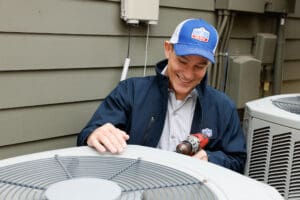
Staying comfortable during the summer in the DC area requires a reliable air conditioning system that can handle the heat gracefully. If your system breaks down, stops cooling properly, or can’t keep up with the heat, call our air conditioner repair experts at United Air Temp.
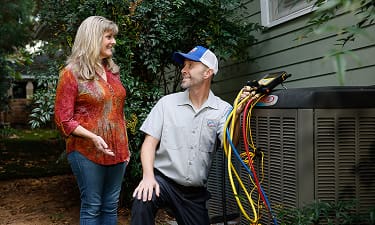
Our company has served Maryland, Virginia, and the Washington, DC, area since 1931. We’re available 24/7 for air conditioning repairs. Our technicians are some of the best in the business, featuring NATE certification, years of experience, and ongoing training to keep them up-to-date on the latest systems and procedures.
No matter the problem, we can diagnose it quickly and offer the best repair options.
Need help with your air conditioning system in the DC metro area? Contact United Air Temp online to schedule air conditioning repairs.
We’re happy to help with all your air conditioning needs, from repair, maintenance, and replacement to emergency AC service.
Request Service
Get started by filling out a service request form or by giving us a call.
How Do Air Conditioner Systems Work?
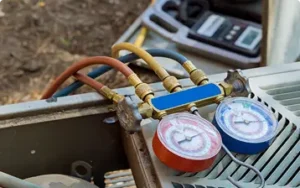
Air conditioners use a refrigerant to absorb heat from the air in your home as it’s drawn over the evaporator coils, causing the refrigerant to vaporize. That vapor is then sent to the compressor, where it’s compressed and heated further. From there, it goes to the condenser coil to release the heat to the outside air, returning the refrigerant to a gaseous state as it cools. The refrigerant then returns to the evaporator coil through an expansion valve, reducing its pressure and allowing it to turn to a gas quickly, cooling your home.
Problems with any step in this process, from poor heat absorption to limited airflow, can result in reduced cooling performance or no cooling at all. For an accurate diagnosis, you need an experienced AC technician like our experts at United Air Temp.
9 Signs You Need a Professional for Air Conditioning Repair
Air conditioning problems can be frustrating, so if you know the signs of an issue beforehand, you can act quickly and avoid a complete AC breakdown. Call our team at United Air Temp for AC system repair as soon as you notice any of these symptoms:
- Poor cooling performance or airflow
- Problems starting the system or keeping it working
- Frequent on and off cycling
- Water leaks or visible ice accumulations on the evaporator
- Iced-up or leaking refrigerant lines
- Breakers that trip often or a compressor that overheats
- Abnormal noises like clicking, screeching, or buzzing from the compressor
- Musty or sour odors
- High cooling costs
Our technicians can repair most problems in the field. We also offer complete air conditioning replacement for systems that are too old or damaged for cost-effective repairs, and AC maintenance to avoid future problems.
Contact us to discuss your AC repair options with our expert technicians in Maryland or the DC area. We’ll offer the best solutions for your needs and budget.
4 Things To Check Before Calling for AC Repairs
You may be able to save the cost of a service call if your AC problems are due to something simple like a clogged air filter. Before calling for repairs, try the following:
- Check that the thermostat has fresh batteries and is set properly
- Make sure the air filter is not clogged or dirty
- Clear any debris from around the condenser unit outdoors
- Reset the air conditioner by turning its breakers off, then back on
Contact our team online for more tips on caring for your air conditioner.
Air Conditioning Repair in the DC Metro Area
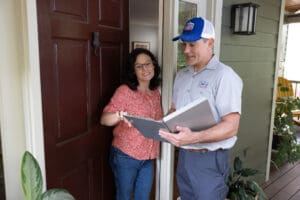
As a leading HVAC contractor in the DC metro area, United Air Temp has the skill and experience to repair your air conditioner quickly. Our technicians will respond promptly, and we offer two-hour service windows, so you’re not stuck wondering when our technicians will arrive.
We feature an advanced computerized tracking system to provide the best service possible to our customers, and we provide written reports on all work we perform.
When you need the best AC repairs in the DC area, turn to our team at United Air Temp. We feature:
- Trained, certified technicians
- A commitment to our community
- Upfront pricing with no hidden fees
- On-time service
- Guaranteed satisfaction
Get the expert help you need when you need it with our team at United Air Temp. Contact us to schedule AC repairs in the DC metro area.
Frequently Asked Questions
How does the DC Metro area’s high humidity impact my AC’s condensate system? The extreme humidity in Washington, D.C., and Northern Virginia forces your air conditioner to pull gallons of water from the air daily, which can quickly overwhelm an older or unmaintained condensate drain line. If you notice water pooling near your indoor unit or a “musty” smell, the local humidity has likely caused an algae clog in the drain, requiring a professional flush to prevent water damage.
Why do AC units in historic DC and Alexandria homes often struggle with “short-cycling”? Many historic homes in Alexandria and DC have been retrofitted with modern AC systems that may be oversized for the original small-room layouts, leading to “short-cycling” where the unit turns on and off too frequently. This not only spikes your energy bills but also prevents the system from running long enough to properly dehumidify the air, leaving your home feeling “sticky.”
Can the “Salt Air” in coastal-adjacent areas like Annapolis or Alexandria corrode my AC? While not as intense as the open ocean, the moisture and mild salt content in the air near the Potomac and Chesapeake Bay can accelerate the corrosion of aluminum fins on your outdoor condenser. We recommend specialized coil coatings or more frequent professional cleanings for DC-area homes near the water to prevent refrigerant leaks caused by “pitting” corrosion.
How does the “Urban Heat Island” effect in Downtown DC affect my AC’s lifespan? In densely built areas like Downtown DC or Arlington, concrete and asphalt retain heat long after the sun goes down, forcing your AC to run at high capacity 24/7 during a heatwave. This constant operation in high ambient temperatures leads to faster “mechanical fatigue” in the compressor, making annual professional inspections critical to catch worn components before they fail in August.


FREE SURGE PROTECTOR
With Electrical
Panel Upgrade
$25 OFF
Refer a Friend
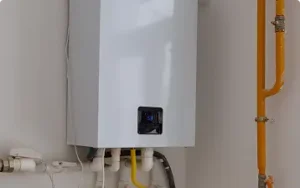
$250 OFF
Tankless Water
Heater Replacement
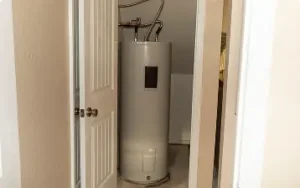
FREE ESTIMATE
On A Water Heater Replacement
FREE ESTIMATE
On A Water
Treatment System
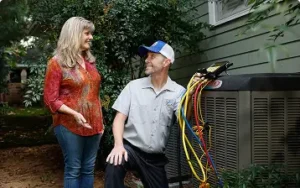
FREE ESTIMATE
On HVAC System Replacement
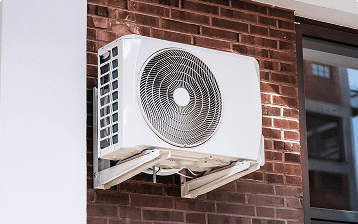
Call us for a FREE ESTIMATE
to install a new ductless mini single zone system with white finished indoor air handler at a SPECIAL PRICE.
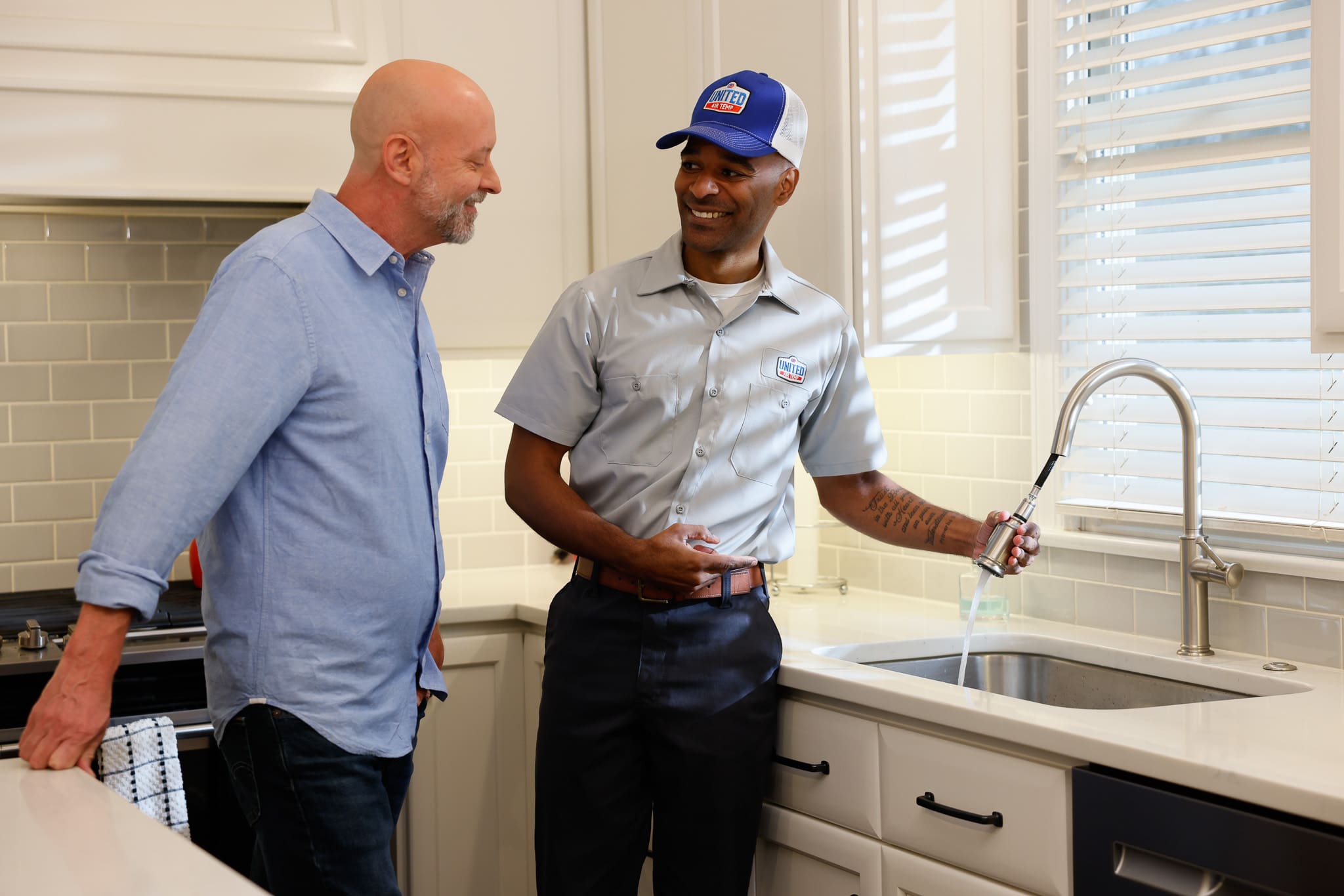
$50 OFF
Plumbing Repair
$89.95
Expert Dryer Vent Cleaning. When combined with other services.
Free
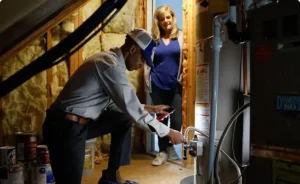
Hot Water Tank Cleaning & Safety Inspection With Any HVAC Repair!
FREE
Hot Water Tank Cleaning & Safety Inspection With Any Plumbing Repair!
What Our Clients Are Saying
 "I appreciate the service, care, and timely manner put into the service I needed to have done. Although I had a tough job to complete these guys worked together and got the job done."
 "United Air Temp recently serviced my heating units and has serviced my AC units regularly for a few years. The prices are so reasonable."
 "Our water heater broke down and Edson had it replaced in less than 24hrs. We had a subsequent HVAC issue and he sent a tech to repair it minutes after I submitted the request. We are so grateful for the services UAT has provided."
 "I have been a United Air Temp customer for ten years and they never fail to give me prompt, reliable, HONEST service. Friendly, knowledgeable, and mindful of my time."
"I appreciate the service, care, and timely manner put into the service I needed to have done. Although I had a tough job to complete these guys worked together and got the job done."
"United Air Temp recently serviced my heating units and has serviced my AC units regularly for a few years. The prices are so reasonable."
"Our water heater broke down and Edson had it replaced in less than 24hrs. We had a subsequent HVAC issue and he sent a tech to repair it minutes after I submitted the request. We are so grateful for the services UAT has provided."
"I have been a United Air Temp customer for ten years and they never fail to give me prompt, reliable, HONEST service. Friendly, knowledgeable, and mindful of my time."
Affiliations & Awards